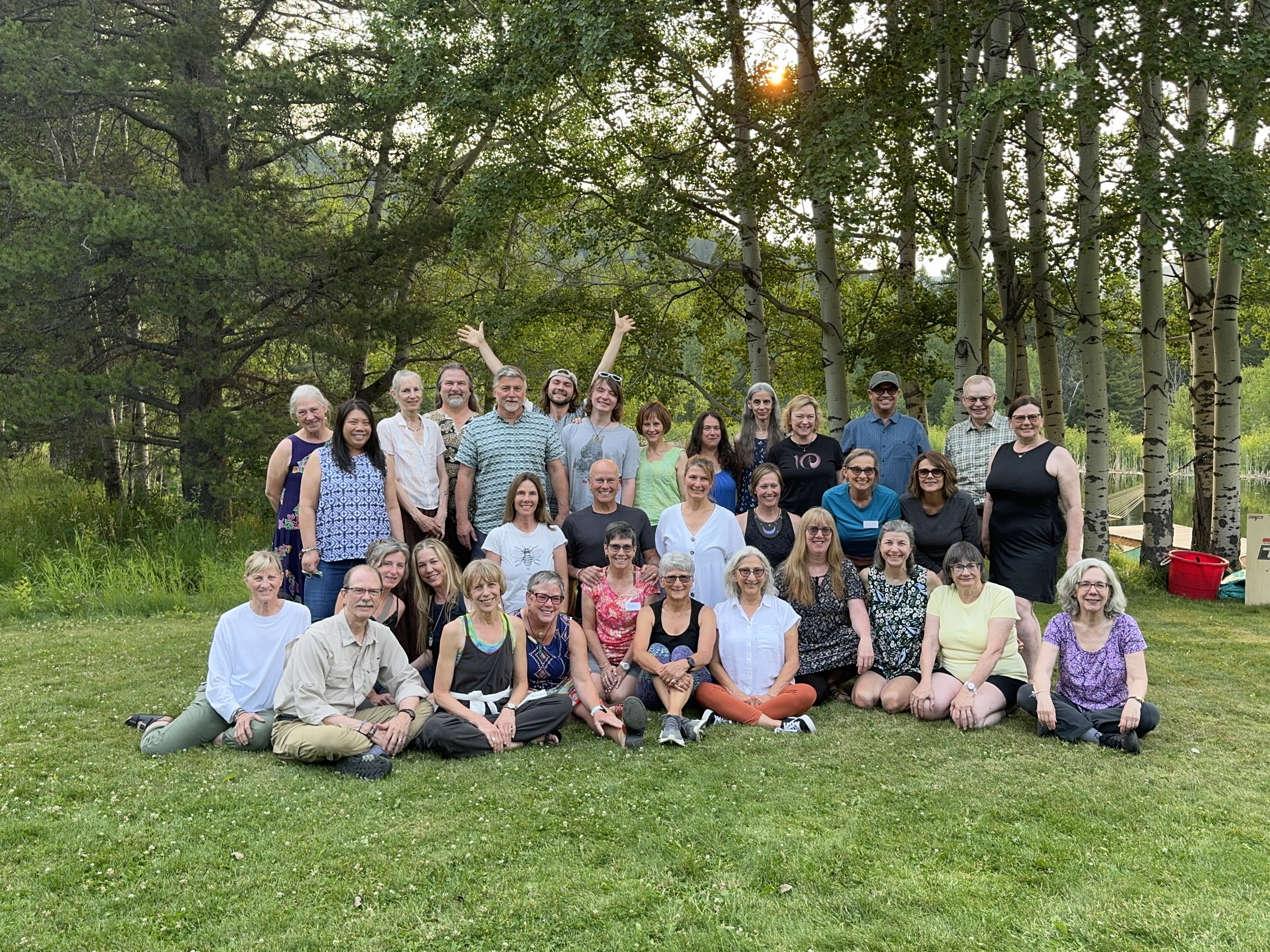
When we launched The Mindful Unplug at Feathered Pipe Ranch a decade ago, the idea felt a little radical. The phrase “attention economy” was just entering wider conversation. We were beginning to realize that our focus was not simply wandering; it was being courted, measured, monetized. Notifications tugged at us like persistent toddlers. The invitation to step away for a week and experience analog life — wind, eye contact, rhythm, silence — felt fresh and almost novel.
Back then, Unplug mostly meant putting the phone down.
The Early Experiment
We did not confiscate devices. We are not that kind of retreat. No lockboxes. No ritual burning of chargers. We just encouraged people to notice the reflex. The subtle reach into a pocket. The phantom vibration. The moment when boredom flickers and the hand moves almost on its own.
And then we would gently suggest alternatives. Walk up to the stupa. Sit on the lawn and tell a story. Dip your toes in the lake and let the cold rearrange your priorities. Watch the light change across the water. Try drumming. Try silence. Try looking someone in the eye long enough to see what is actually there.
I once walked into the nearly empty dining hall and saw one of our guests checking his phone. He looked up at me with the expression of someone who had just been caught dismembering my cat. He began apologizing profusely. I had to reassure him that he was not breaking any sacred vow. Sometimes checking in with family helps the nervous system settle. Sometimes knowing everything is fine back home allows you to soften more fully into being here. We do a delicate dance at the Unplug. We refuse to shame people for being human, and we also recognize that if we are going to call it The Mindful Unplug, there is an opportunity to walk our talk.
Ten years ago, this felt like enough. Step away from the device. Reclaim your attention. Remember what it feels like to have a single conversation without glancing at a screen.
When the Algorithm Learned Our Nervous Systems
But the landscape has shifted. The challenge now is not only distraction. It is amplification.
Social media algorithms have become exquisitely skilled at understanding what keeps human beings engaged, and it turns out that outrage is excellent for business. Fear travels quickly and certainty spreads faster than nuance. The loudest voices are often the ones most rewarded. The system does not ask whether what we are consuming nourishes wisdom or merely heightens intensity. It asks whether we will stay.
Lately I have noticed something new. When the news cycle escalates, when headlines stack like kindling, when commentary grows sharp and breathless, there can be a subtle pressure to join in. To match the pitch. To be recruited into the emotional register of the moment. It is rarely malicious but is deeply human. When we are anxious, we want company. When we are angry, we want witnesses. When we are frightened, we want confirmation that our fear makes sense.
But the scale has changed. The machinery that amplifies those emotions is more refined than it was a decade ago. The volume is higher. The hooks are sharper. And the cost of constant activation is paid in our bodies.
The Cost of Constant Activation
Unplugging now feels less like a digital detox and more like nervous system stewardship.
It is noticing when the jaw tightens at a headline. When the breath shortens while scrolling. When the shoulders creep upward as if bracing for impact. It is pausing before forwarding the link that confirms everything we already suspect. It is asking whether this piece of information is deepening understanding or simply intensifying sensation.
None of this is about denial. The world matters, politics matter, and human suffering matters. Caring is not the problem. The question is whether we allow external forces to dictate the quality of our internal state without our consent.
What Still Works
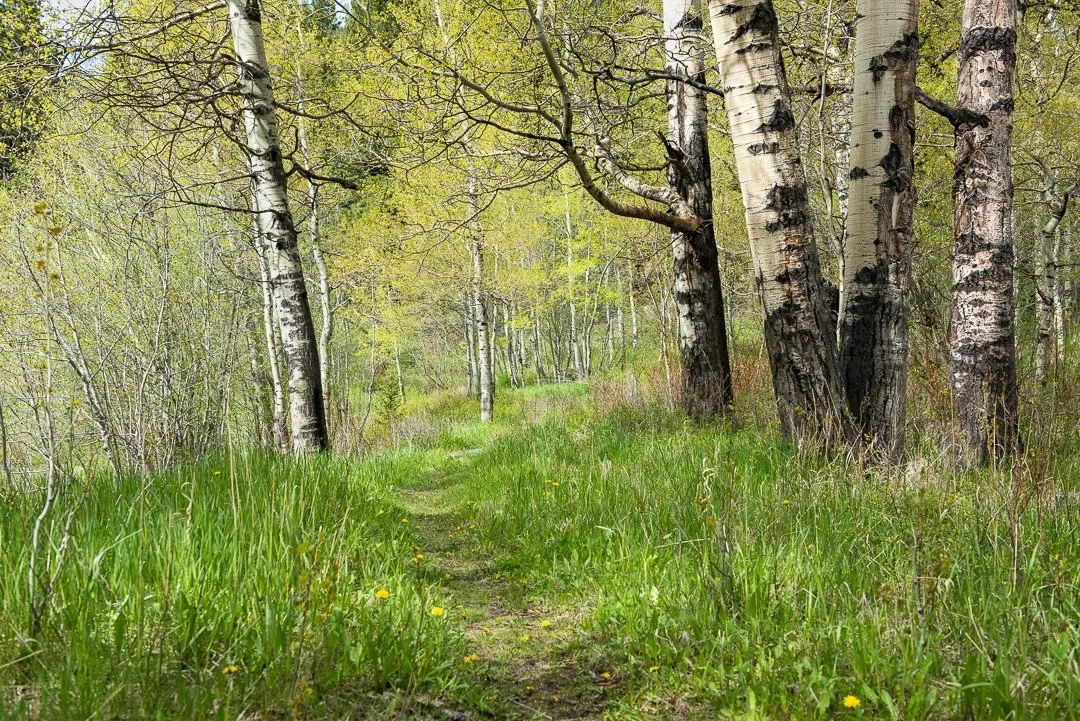
At Feathered Pipe Ranch, the lousy cell service is almost comical in its simplicity. No scrolling by the lake. No algorithm curating your emotional arc. Just birdsong, wind, conversation, rhythm, breath. The analog world remains gloriously unimpressed by trending topics. It continues to offer light on water, the shock of cold toes, the miracle of eye contact. (Fear not, there is working WiFi in the main buildings.)
What I have come to appreciate is that the Unplug is no longer just about stepping away, but about training attention. It is about cultivating the capacity to care without combusting, to stay informed without being inflamed, to resist being emotionally conscripted into every rising wave of intensity.
From Pause to Preparation
Ten years ago, The Mindful Unplug felt like a pause. Now it feels like preparation. Not to escape the world, but to re-enter it steadier. To participate without being hijacked. To choose when and how we engage. To remember that the nervous system belongs to us, not to an algorithm.
We still will not lock up your phone. If you need to check in, check in. If you accidentally reach for it, notice that too. Then perhaps consider walking up to the stupa instead. Or sitting on the lawn. Or letting the lake rearrange your perspective. The invitation has grown deeper, even if it looks the same on the surface.
The Unplug is less about rejecting technology and more about reclaiming agency. It is a quiet countercultural act. It is the decision to let love speak in a world that profits from fear. And if, in the dining hall, you happen to glance at your screen and look up as if you have committed a felony, I promise I will only smile. We are all practicing.