
Mindfully Unplugging
Created with the assistance of a friend who is expert in sensory literacy, I’ve curated list of articles, books, and thought leadership on subjects related to healthy digital living and mindfulness. View it here.
When we first began offering The Mindful Unplug ten years ago, the name mostly pointed toward the obvious thing: stepping away from our devices for a while. Back then, even the idea of consciously choosing to spend less time tethered to our screens was still something of a novelty.
When we first began offering The Mindful Unplug ten years ago, the name mostly pointed toward the obvious thing: stepping away from our devices for a while. Back then, even the idea of consciously choosing to spend less time tethered to our screens was still something of a novelty. Ten retreats later, I think the unplugging that matters most may be larger: unplugging, even briefly, from the incessant commentary, from the demand to have an opinion about everything, from our own habitual stories about who we are and who everybody else is, and from the idea that every minute needs to be filled or productive or documented.

Our nervous systems are regularly asked to metabolize global crises, geopolitical analysis, moral outrage, economic speculation, and the opinions of several thousand strangers before breakfast. The human nervous system, it turns out, was not originally designed to function as a breaking news ticker.
When the building’s on fire, maybe the most skillful thing isn’t yelling “It’s burning!” louder than everyone else. Maybe it’s quietly picking up a bucket.

Even if you’ve had the same habits for years — the late-night screen marathons, the packed calendar, the half-finished mindfulness app — there’s still room to feel better. Not by overhauling your life, but by learning how to meet it with more kindness, more breath, and a bit more space.

A friend asked me if I had any thoughts on how to meet the hearts and minds that will arrive this summer at The Mindful Unplug retreat program—some vexed, some worried, some heavy with the weight of the world.

There’s something rare about spaces where people are simply together—not to network, not to prove anything, not to impress, but to share presence. To breathe in the same air, to listen, to move, to sit in silence or laughter without the need for constant explanation.

One of the paradoxes of staying engaged with the world is the necessity of stepping away at times—not to avoid reality, but to restore.

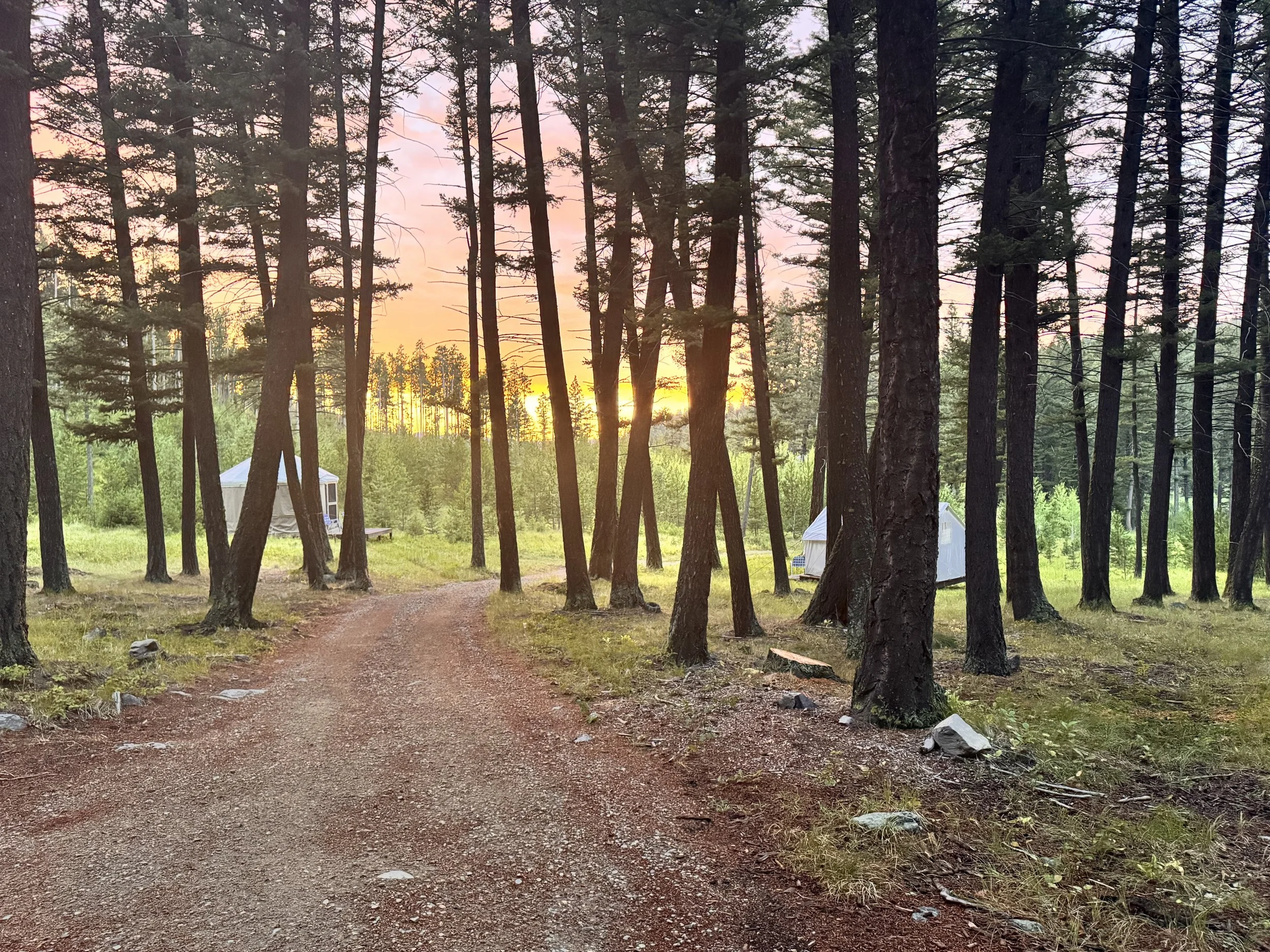
Want to join Matthew Marsolek and me in the wild and wondrous beauty of Montana for a week of movement, music, nature, connection, and undoubtedly a few good belly laughs? It's happening 26 July through 2 August.

Has someone's turn of phrase, or a glint of clarity in a moment of stillness, or some snippet of prose ever transformed an abstract concept into 'felt insight' for you?
We are rattling around in times that can feel as if the whole world is at its own throat. Getting our minds and hearts in shape to make it together through this ride on the HMS Crazy-Pop is essential. We constitute the pit crew, after all, for each other and for the planet.
Resources for Teachers
Browse some resources I’ve curated for friends, teachers, and students here.

Anatomy. Teaching from the chakras. Teaching from the muscular structure. Teaching from the energetic structure. Koshas and kriya and kundalini and karma yoga and bhakti yoga and “Oh good grief I’ll never remember all this!”

The first time you took a yoga class, did what the teacher was doing look all that complex? Did you have any clue? I mean, really, how hard could it be? “Step your foot back, relax, breathe.” Big whoop. Hundreds of hours of training for this?