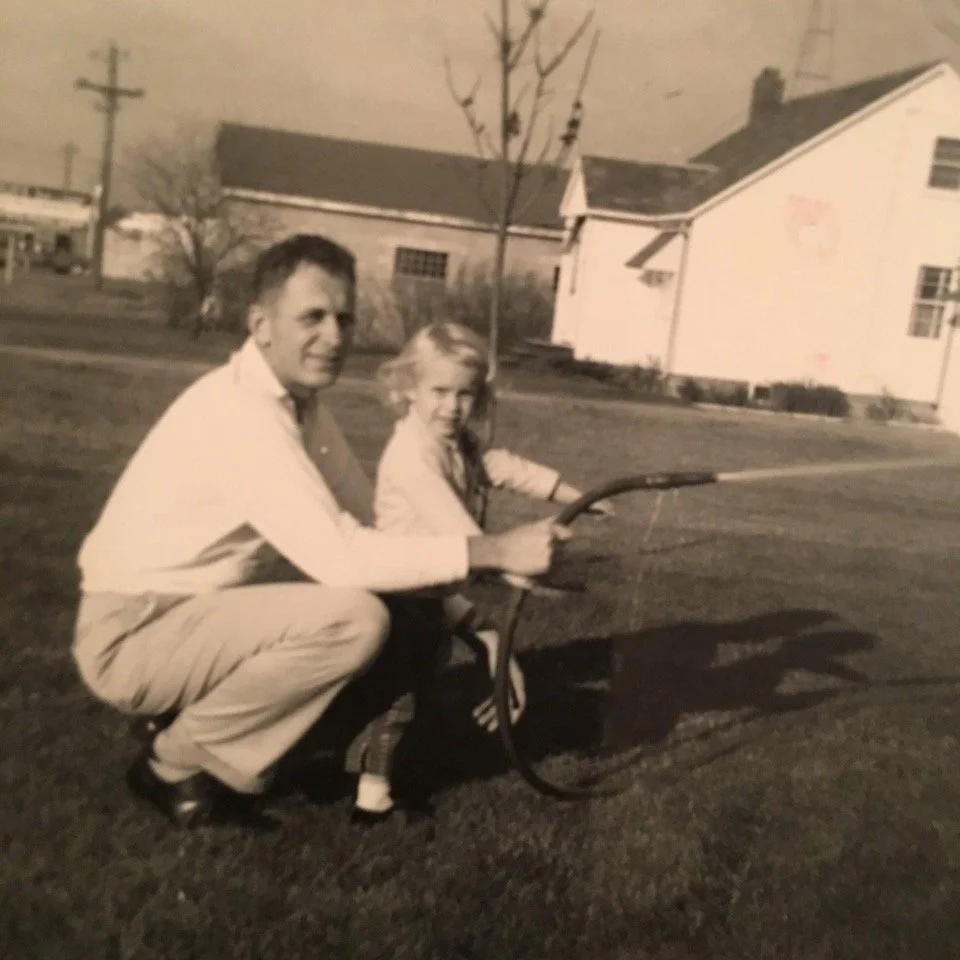
My father was a baker.
He knew what the hands could do
with heaviness—
flour shouldered into flour,
water disappearing into it,
salt scattered from the palm,
the whole pale weight
leaning into the table.
And then the smallest thing:
yeast.
Life, scarcely more than dust,
with rising in it.
This comes back to me now
as the years begin carrying off
what I had mistaken for permanent.
A father.
A mother.
A friend.
Another friend.
Someone I might have loved.
A body once taken for granted.
The old, dog-eared places.
Voices I could summon with a telephone.
Loss does not travel light.
It comes home with its bags
and leaves them everywhere.
Some mornings
there is hardly room
to move among them.
And still—
somewhere, my father’s hands
are pressing the dough away
and drawing it back,
pressing away,
drawing back,
teaching it
without tenderness
and without cruelty
how to become bread.
The years teach the hands
their own work.
The sorrow stays in the dough.
So does the yeast.
Music through an open window.
The warm animal
curled against the leg.
Peaches ripening in a bowl.
The friend still here
laughing before the story is finished.
Whatever green thing
has pushed itself overnight
through a crack in the walk.
The unknown pleasures
already making their way toward us.
We fold these in.
We cover the bowl.
We give it time.
And when it rises
we do not call this healing.
The dead are still dead.
What is gone stays gone.
But look—
the bowl is full
of something it could not hold
an hour ago.
My father knew this.
You take what has been given you.
You take what has been taken.
You put your hands
into the whole unwieldy mass of it.
And while there is warmth,
while there is hunger,
you make bread.