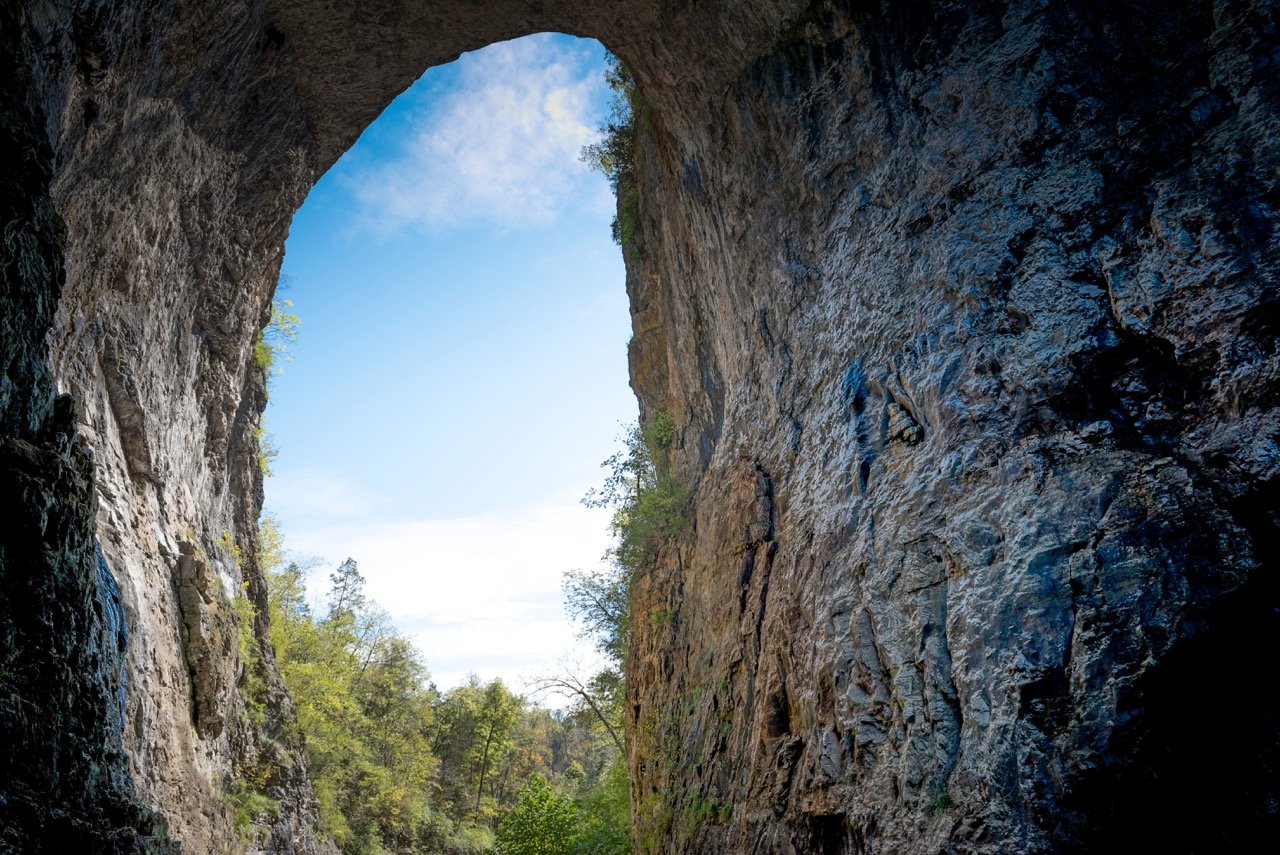
About twenty-one years ago, almost by accident, I stumbled into a place in west-central Montana called the Feathered Pipe Ranch that has quietly become one of the constants of my life.
Every summer I return. Every summer I leave believing I’ve finally figured out why this curious gathering of strangers affects people so deeply. And every summer I discover I understand it a little less than I thought. This year, more than any before, I found myself paying attention not so much to what we did, but to what seemed to happen between us.
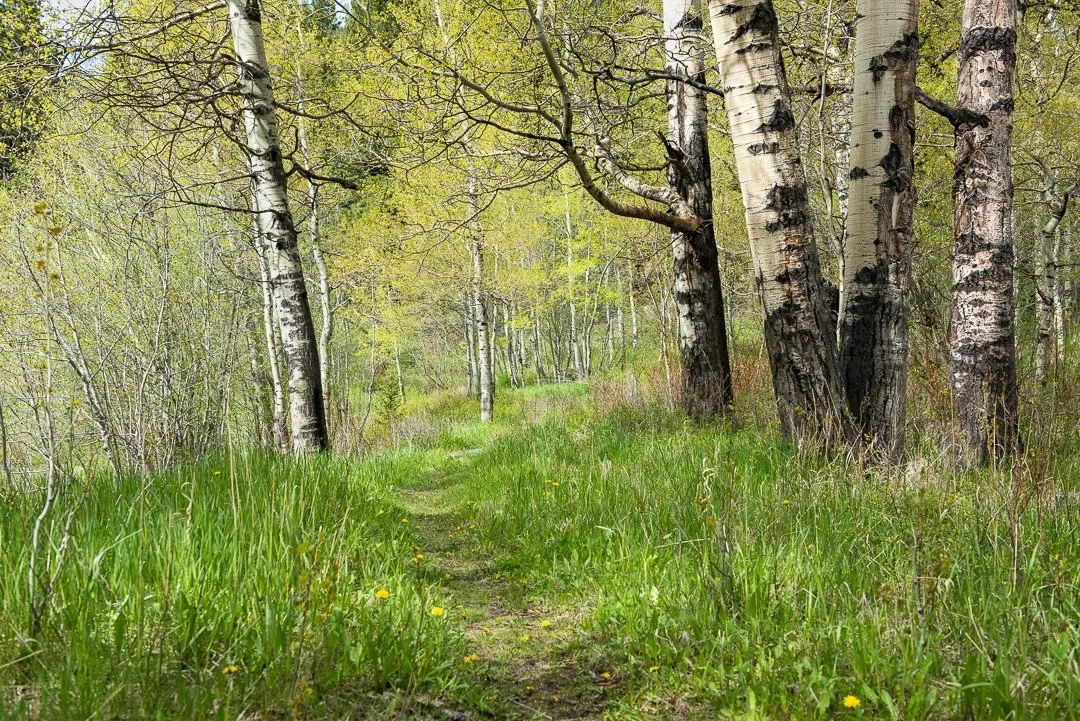
On paper, the week sounds almost embarrassingly simple. We wandered quietly through the forest before breakfast, saying little and letting birdsong and the sound of water do most of the talking. We moved our bodies, not as performance or exercise, but as exploration. We gathered for poetry, where people found themselves reading words aloud they never imagined sharing with strangers.
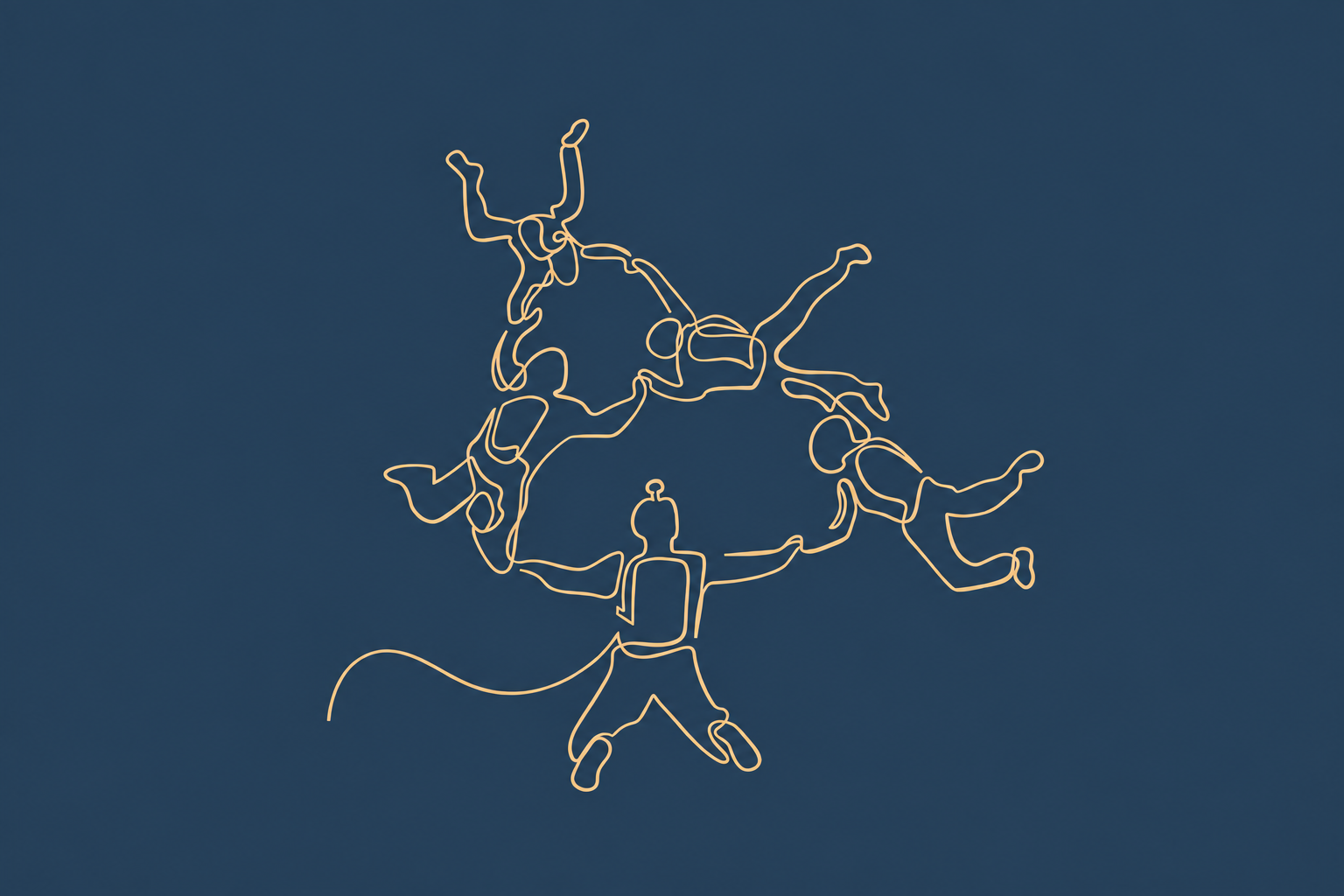
We sang together, including those who arrived insisting, “I don’t sing.” Matthew, my longtime friend and incredible co-guide, has a remarkable gift for making group drumming and music feel less like performance and more like remembering something ancient. One afternoon, during a freeform movement practice, his son Ravi sang an original composition (which could be an anthem for our times) while we moved. His voice seemed to drift through the room like another current of air. It became one of those moments no one could have planned and no one present is likely to forget. There was drumming that seemed to awaken something old in us, and dancing that asked nothing except that we show up as ourselves.
Conversations lingered long after meals had ended. There was more laughter than anyone expected. None of those things are remarkable by themselves. And yet somehow, together, they seem to become something larger than the sum of their parts. I still don’t know why.
One of the things I’ve been thinking about since coming home is how often people arrive carrying some version of the same quiet question: Will I fit here?
Sometimes it’s because they’re older than everyone else. Sometimes because they’re younger. Sometimes because they don’t think of themselves as “a yoga person.” Sometimes because they’re introverted. Or they’re carrying grief, illness, uncertainty, or simply the feeling of being an outsider. Sometimes it’s because they imagine they’ll be surrounded by people whose lives or beliefs are very different from their own.
The reasons vary. The question is almost always the same. Will I belong?
Belonging
And every year I’m reminded that the question itself somehow misses the point. Belonging doesn’t seem to emerge because everyone discovers how similar they are. Quite the opposite. People remain wonderfully different. Different histories, professions, politics, spiritual traditions, personalities. Different bodies and ways of moving through the world. What changes is something else. The impulse to place one another into categories softens. Curiosity begins to replace assumption. People listen before deciding. They laugh before judging. Hospitality quietly does its work.
Some folks arrived carrying understandable uncertainty about whether they would fit into a gathering that, from a distance, looked very different from the communities they were accustomed to. By the end of the week, what stood out wasn’t that anyone’s beliefs had changed. As far as I know, they hadn’t. What had changed was something far more interesting. Apprehension had quietly given way to affection, not because anyone had been persuaded or because differences had disappeared. Simply because kindness had preceded agreement.
One of the teachers
I’ve been wondering ever since whether we too often mistake unfamiliarity for danger. I’ve also become increasingly convinced that nature is not simply the backdrop for these weeks. It is one of the teachers. The mountains don’t care what we believe. The lodgepole pines aren’t interested in our résumés. The creek doesn’t ask who we voted for.
Beauty has a peculiar way of slipping past the arguments our minds are forever trying to settle. Flowing water. Birdsong. Open horizons. Towering trees. The scent of pine warming in the sun. Somehow these things ask our bodies to do something increasingly rare in modern life.
Exhale.
Maybe that’s why conversations become easier, why people laugh more readily, and why defenses soften just enough for genuine curiosity to emerge. Or perhaps I’m giving the mountains too much credit. As I said, I still don’t fully understand it.
Remembering
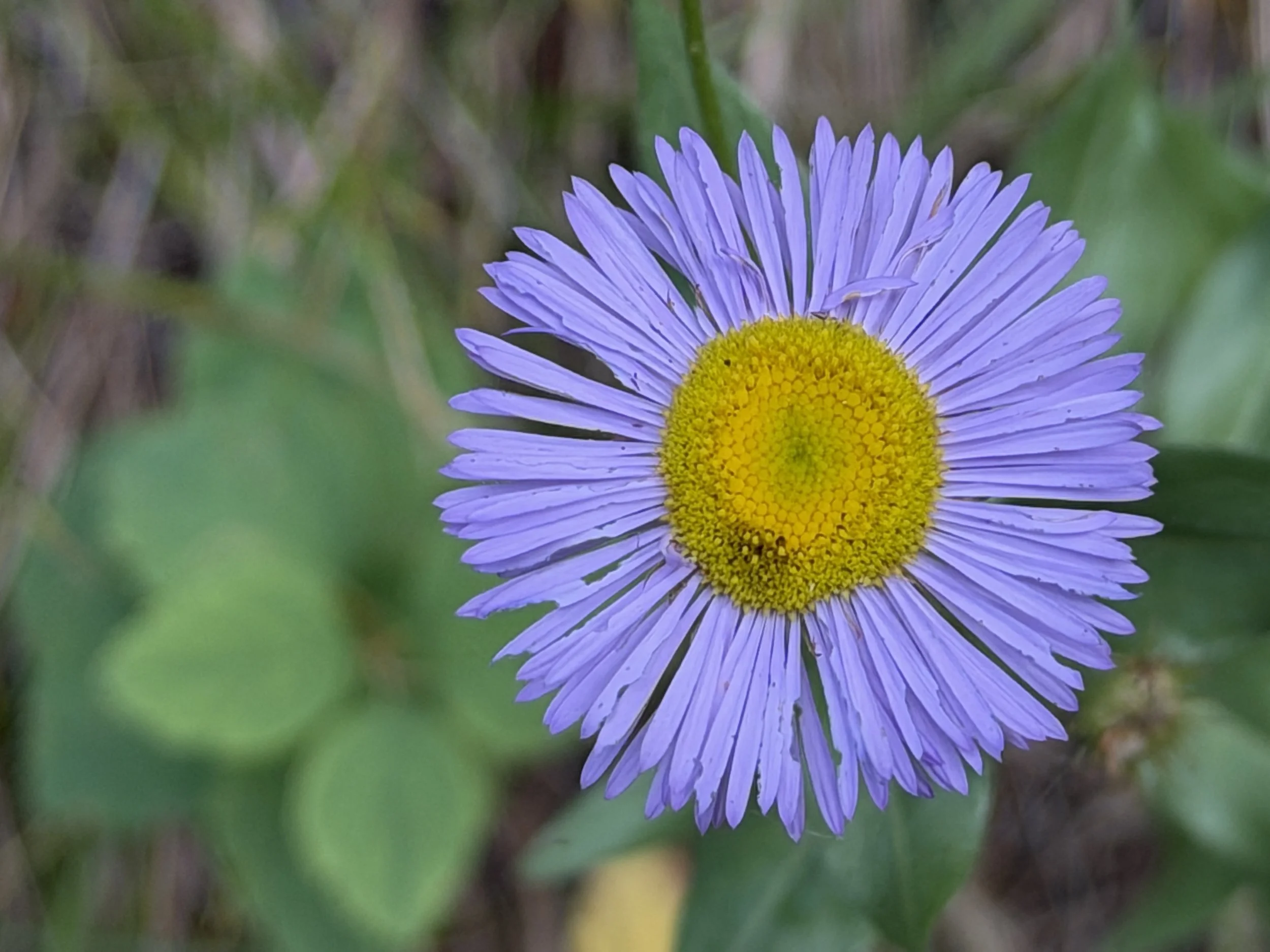
Sometimes I wonder whether retreats like this teach us something new at all. Maybe they simply remind us of something our species has known for thousands of years. Long before we lived behind screens and calendars, human beings gathered around songs. We moved together. We told stories. We sat beneath stars. We admired flowers. We listened to birds before we listened to breaking news. We found rhythm together.
Maybe what feels extraordinary is, in fact, something deeply ordinary that we’ve almost forgotten.
People occasionally ask me what makes this particular gathering different. After twenty-one years, my answer has become less confident, not more. I no longer think it’s the yoga. Or the poetry. Or the singing. Or the forest walks. Or the drumming. Or even the astonishing Montana summer landscape.
If someone asked me to point to the single ingredient that makes the week what it is, I couldn’t. Take away the forest and something is lost. Take away the music and something else disappears. The movement matters. The poetry matters. The silence matters. The meals matter. The shared rhythm, conversations, laughter matter.
But none of them, by themselves, explains what happens.
Perhaps that’s the thing about alchemy. The mystery isn’t in the ingredients. It’s in what they become together. Whatever it is, I’ve stopped trying to reduce it to a formula.
Lately I’ve been wondering if what the ancient Celts called “thin places” offers another way of thinking about this. They described certain landscapes as places where the distance between heaven and earth seemed to grow unusually small. Travel writer Eric Weiner borrows the phrase to describe places that help us loosen our grip on life and breathe again. Religious scholar Mircea Eliade observed that some parts of space are “qualitatively different” from others. And an old Apache proverb puts it even more simply: Wisdom sits in places.
Whether any of those descriptions are literally true almost doesn’t matter to me. What matters is that some places seem to invite us into a different relationship with ourselves, with one another, and with the living world. Perhaps they don’t change us so much as help us remember something we already knew.
I simply know that year after year I leave with a little more faith in people. This year reminded me of something I desperately needed to remember. You don’t have to agree with people about everything to love them. You don’t have to think alike to care deeply about one another. You don’t even have to understand one another completely.
Perhaps you simply must share enough beauty, silence, music, laughter, tears, and honest conversation. Enough moments in which no one is trying to win.
Every summer I return thinking I understand a little more about what happens there. Every summer I leave a little less certain. Whatever unfolds seems larger than any schedule we write, any class we teach, or any intention we set. It feels less like something we manufacture than something we make room for.
And after twenty-one years, I remain content not to have solved the mystery.